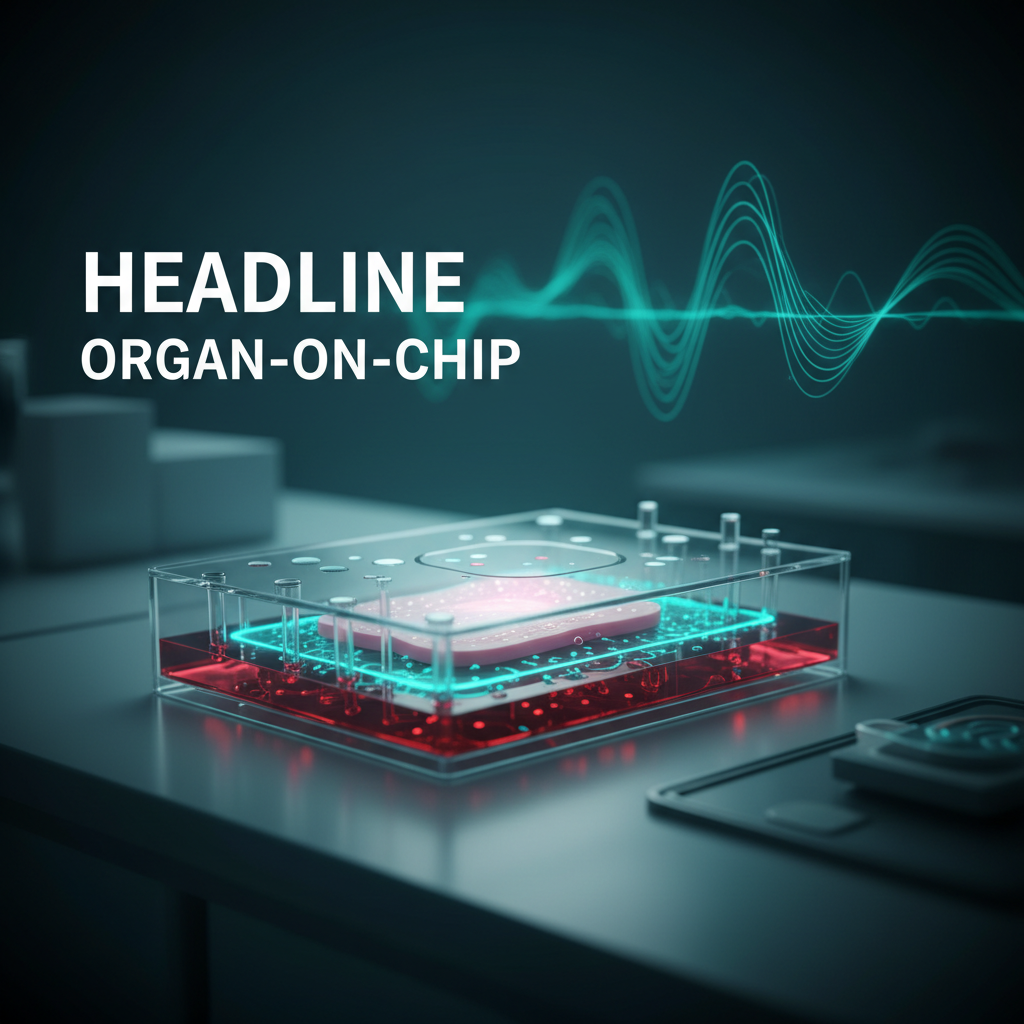
Illustration of a layered organ-on-chip device with circulating fluid channels on a laboratory bench, with AI data curves behind

AI-enabled intelligent medical device platform

Human-relevant testing for next-generation medicines

Intellipeutics combines organ-on-chip and tumour-on-chip technologies, microfluidics, real-time sensing and artificial intelligence to test and optimise nanomedicines in models that replicate human physiology — before costly animal and clinical studies.

of drug candidates fail in development

90%+

of drug candidates fail in development

organ-on-chip, tumour-on-chip, sensing & AI

4-in-1

organ-on-chip, tumour-on-chip, sensing & AI

physiological data from every experiment

Real time

physiological data from every experiment

The challenge

Conventional models cannot predict the clinic.

90%+

of drug candidates fail — largely because conventional laboratory and animal models poorly predict human performance.

Nanomedicines behave in ways standard cultures and animal studies cannot capture: circulation dynamics, transport across biological barriers, tumour microenvironments and immune interactions all shape whether a formulation reaches and treats its target.

The result is a development pipeline that consumes years and capital on candidates destined to fail. Intellipeutics replaces low-predictivity screening with human-relevant, data-rich models that reveal clinical performance early.

01

Models that lose physiology

Flat cell cultures strip away circulation, barriers and tissue architecture — the very factors that decide nanomedicine behaviour.

02

Animal data that misleads

Species differences make animal results a weak proxy for human drug transport, efficacy and safety.

03

Decisions made blind

Without continuous measurement, formulation optimisation relies on endpoints that hide mechanism and timing.

The platform

One integrated system for nanomedicine evaluation

Each pillar works alone; together they form a closed loop from living human-relevant tissue to machine-learning-driven recommendation.

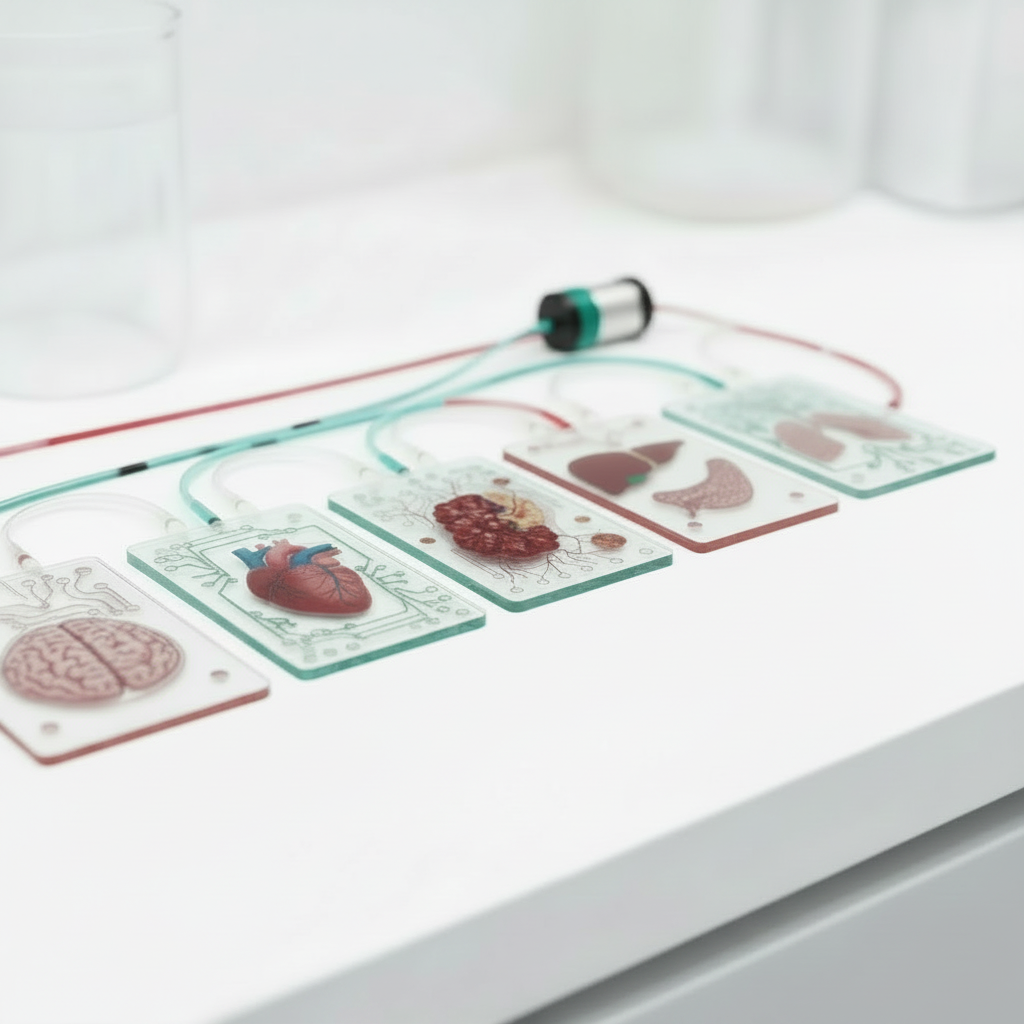
Photograph of several organ-on-chip modules linked by microfluidic tubing, one containing a tumour tissue spheroid, with red and teal fluids circulating between them

Organ- & Tumour-on-Chip

Multiple linked organ-on-chip modules recreate the body's interconnected physiology, with one module carrying a tumour — so a nanomedicine's journey through healthy organs and into tumour tissue is studied in a single, connected experiment.
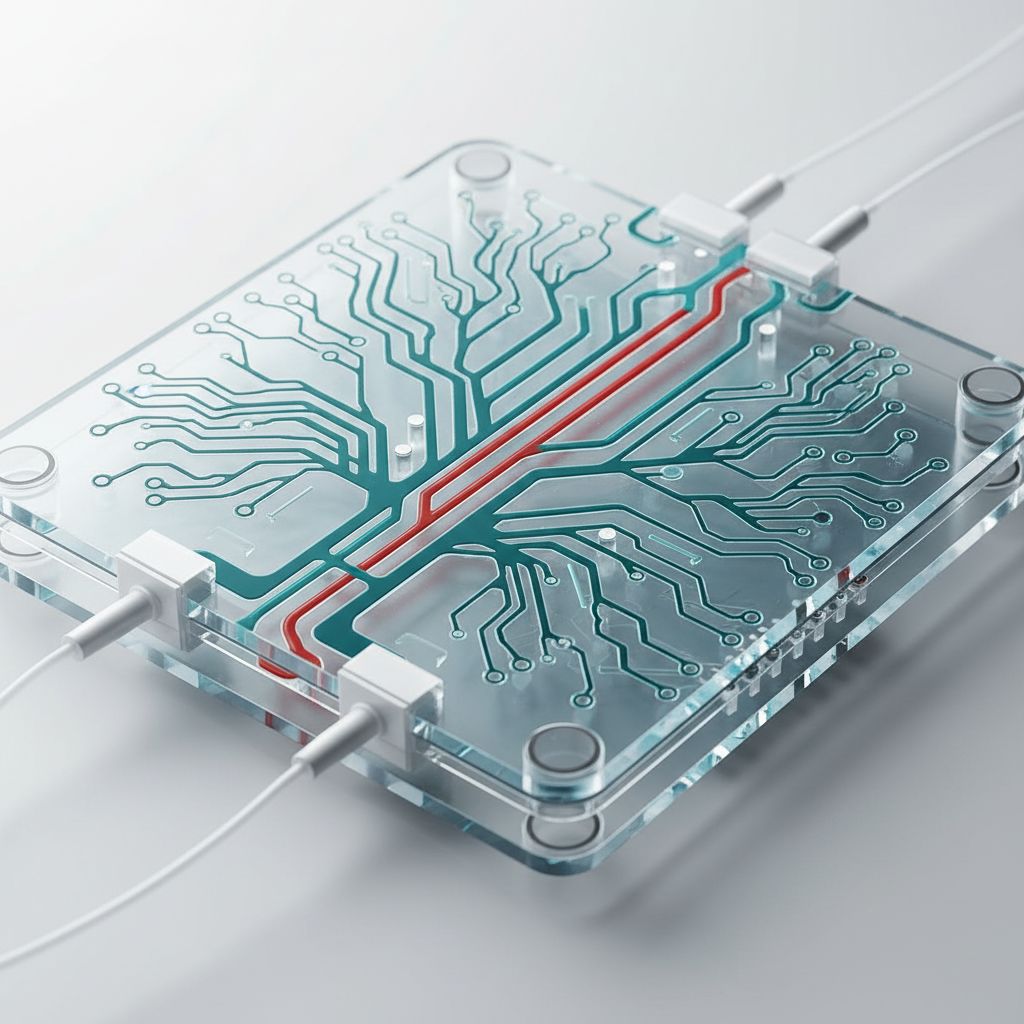
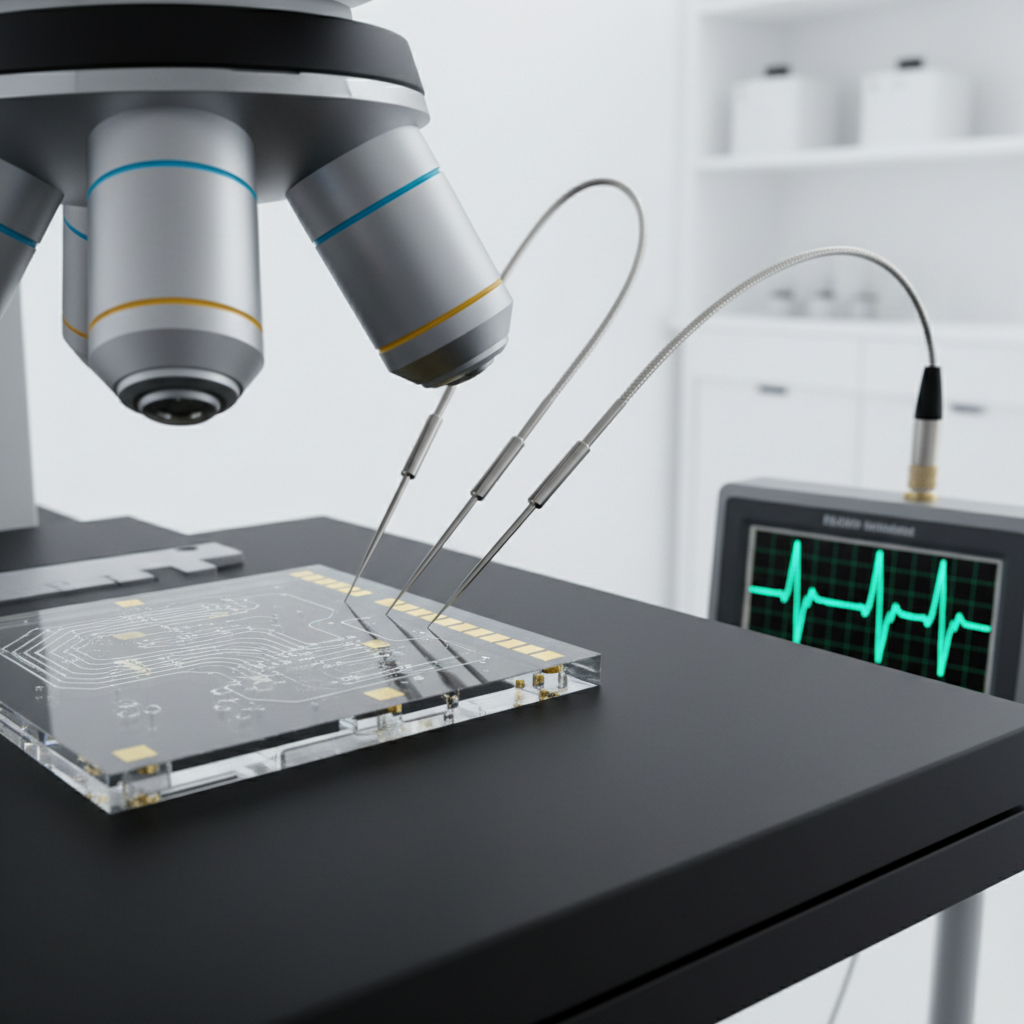
Illustration of a microfluidic chip with branching parallel channels, mixing junctions, pumps and valves controlling fluid flow

Microfluidic circulation

Precise fluidic control reproduces blood flow and drug transport dynamics across each module.

Photograph of an organ-on-chip device on a microscope stage, with metallic probe needles touching the chip's contact pads to record live signals on a waveform display

Real-time sensing

Continuous, non-destructive measurement of biological interactions and drug release throughout every experiment.

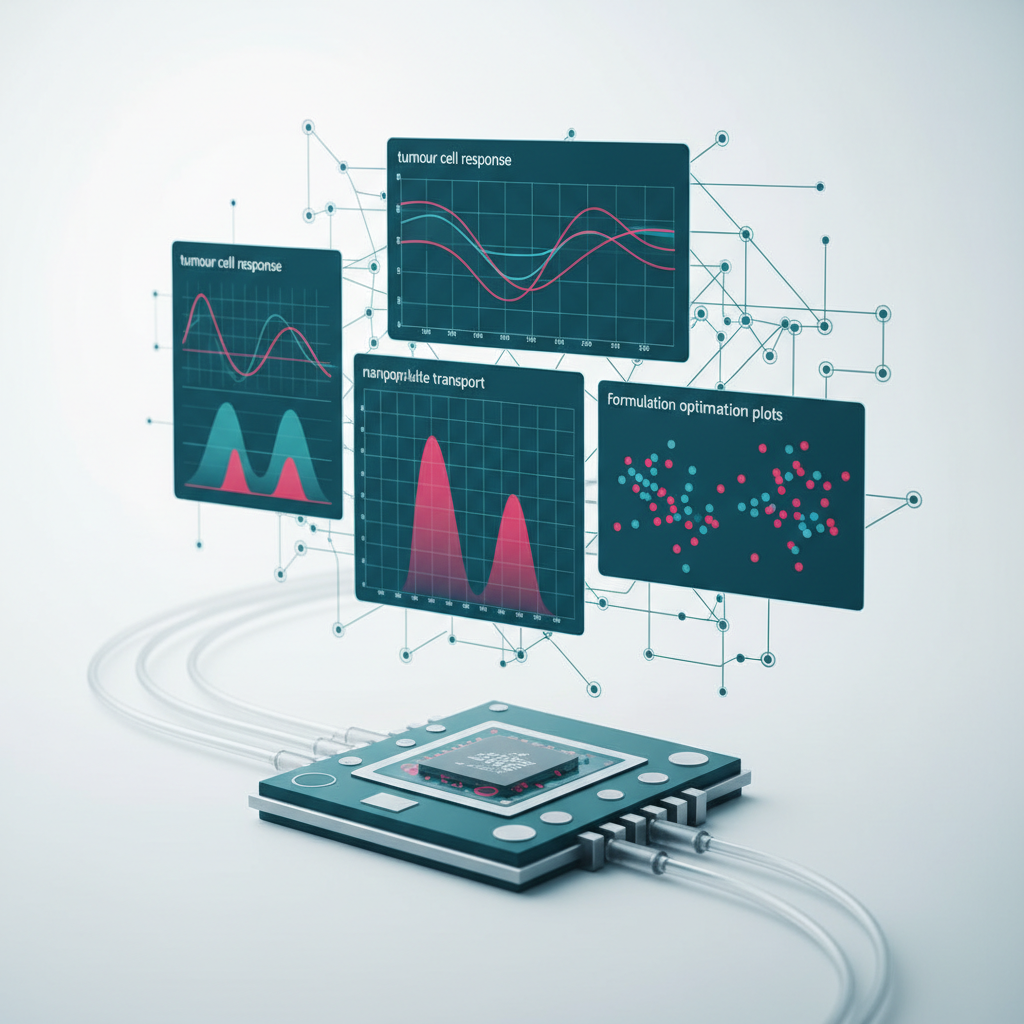
Illustration of an organ-on-chip device linked to AI analytics panels showing response curves and formulation optimisation data

AI-driven analytics

Machine-learning algorithms continuously analyse experimental data and deliver actionable recommendations — an intelligent decision-support system for formulation development.

Why it matters

From guesswork to evidence-led optimisation

The platform improves decisions across the development pipeline — before animal and clinical studies begin.

01

Predictive efficacy and safety

Human-relevant models reveal how nanomedicines perform in physiology that matters, improving the prediction of clinical outcomes.

02

Optimised targeting and release

Rapid iteration on efficacy, targeting and drug-release characteristics — with AI recommending the formulations worth advancing.

03

Lower cost, faster development

Earlier, better decisions reduce wasted animal studies, clinical attrition and the capital consumed by failure.

04

Reduced reliance on animal testing

Human-relevant alternatives advance the 3Rs — replacing, reducing and refining animal use in pharmaceutical research.

Partnerships

Two ways to work with Intellipeutics

Whether you are developing nanomedicines or backing the technology that de-risks them, the platform is built to be used with you.

For pharma & biotech R&D teams

Bring your nanomedicine programmes to a platform that measures what conventional models miss — and prioritise candidates with confidence.

  • Pilot collaborations on live formulation questions
  • Custom organ- and tumour-on-chip study design
  • AI-supported optimisation of efficacy, safety and release
Discuss a pilot study

For investors & funders

An intelligent medical device platform positioned at the intersection of precision medicine, microfluidics and AI — addressing a failure problem worth billions.

  • Deep-tech platform with clear regulatory relevance
  • Aligned with the shift away from animal testing
  • UK-based, serving international partners
Request the investment brief

Start the conversation

Put your nanomedicine on human-relevant ground.

Tell us about your formulation, your indication and the question that keeps failing in conventional models. We will design a pilot collaboration around it.

Based inUnited Kingdom — working with partners worldwide

We reply to every enquiry within two working days.

Start a pilot collaboration

Share a few details and we will come back to you with next steps.